Activity Report
Visiting 9 Sites Across 5 Prefectures — Exploring the Real Voices Behind Japan’s Global Challenge Movement | NPO Red Look Field Report
NPO Red Look visited 9 locations across 5 prefectures to capture real voices from the field on overseas career challenges. From local communities and international exchange centers, we explore how Japan supports people taking on global opportunities.
 By NPO Red LookPublished: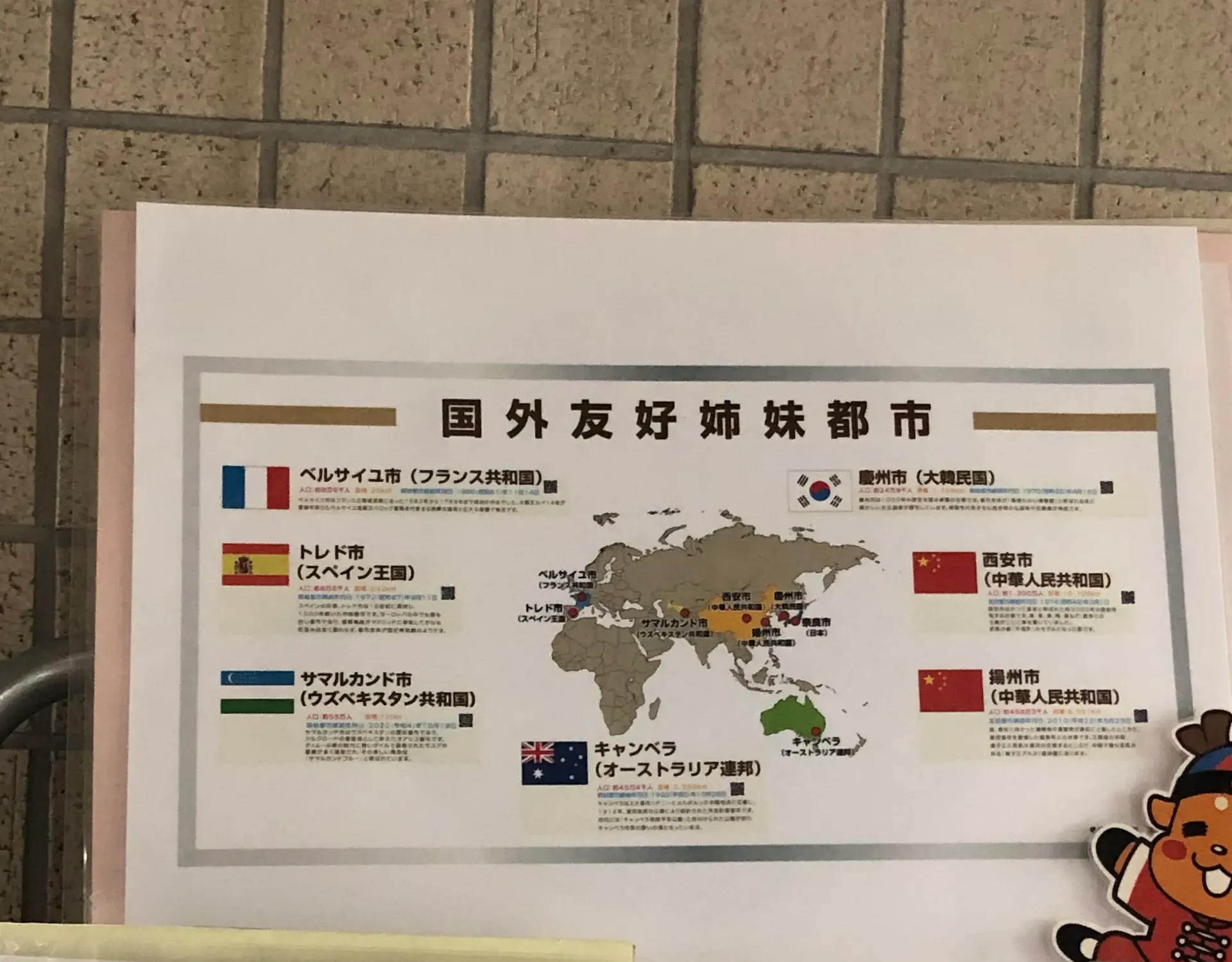
Contents
- Visiting 9 Organizations Across 5 Prefectures — Exploring New Models of Collaboration Between Local Governments and NPOs
- Introduction: The Mission and Focus of Red Look
- Why We Undertook This Journey
- Why We Went to the “Field” in Person
- What We Learned: Two Perspectives — “Coexistence” and “Challenge” in Local Communities
- Two Case Studies: How “Coexistence” and “Challenge” Take Shape
- Our Deepest Thanks to All Who Shared Their Voices
Visiting 9 Organizations Across 5 Prefectures — Exploring New Models of Collaboration Between Local Governments and NPOs
By NPO Red Look
Introduction: The Mission and Focus of Red Look
At NPO Red Look, our work revolves around two central pillars:
supporting Japanese individuals in their overseas career challenges, and helping foreign nationals find meaningful employment opportunities in Japan.
Under our slogan, “Making World Connections With Skills,” we aim to build a society where everyone has the opportunity to take on challenges abroad and enrich their lives through global experiences.
At the heart of this effort lies our team’s unique blend of professional expertise and extensive international experience.
We focus on complex, deeply personal career development challenges that cannot always be addressed through existing public systems.
By combining advanced IT solutions and generative AI with practical coaching and skills training, we deliver tailored support to individuals in need. Through this hands-on, human-centered approach, we seek to cultivate a solid foundation for cross-border growth and empowerment—especially in areas where public or large-scale institutional support often falls short.
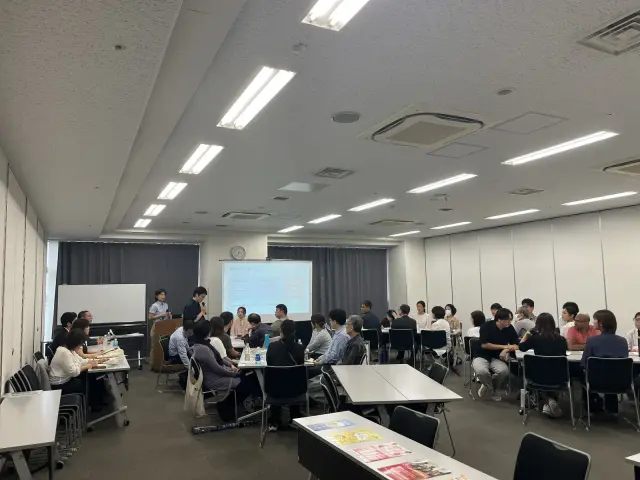
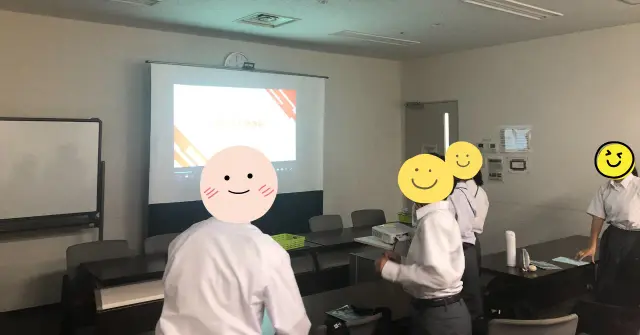
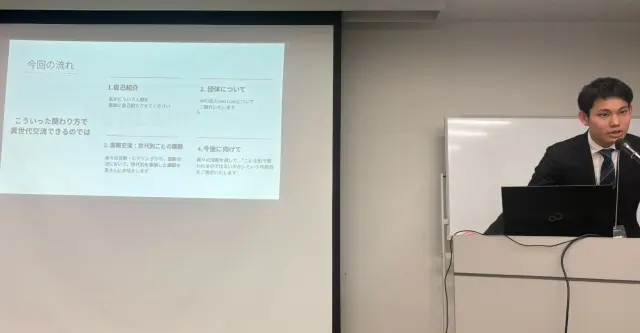
Recently, we visited nine organizations across five prefectures, including international exchange centers and NPO support offices, to hear directly from administrative officers and field practitioners.
This article presents our findings and reflections from that journey.
(Names of specific locations and organizations have been withheld for privacy reasons.)
Why We Undertook This Journey
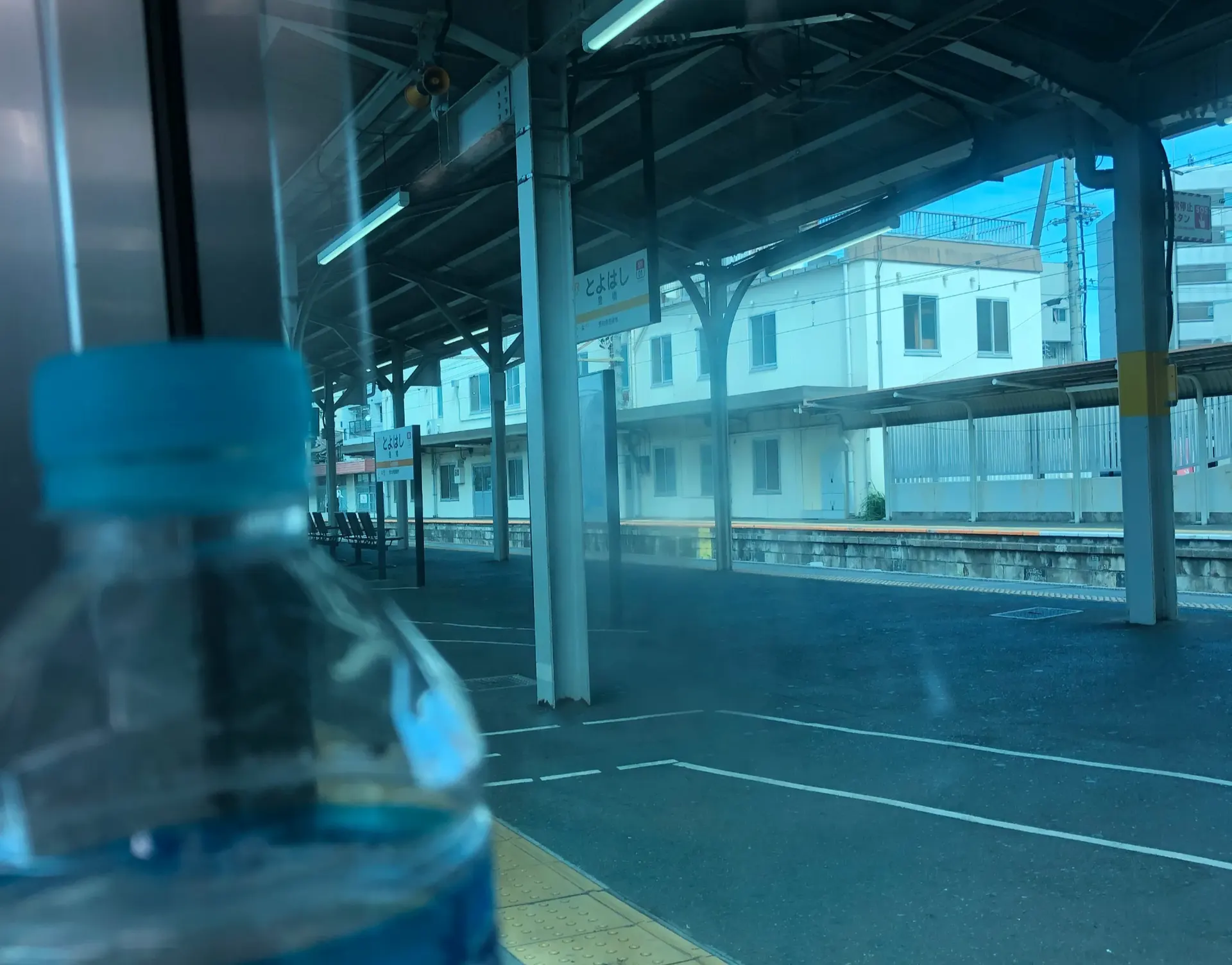
As an NPO, Red Look’s core mission is to identify unresolved social challenges and provide optimal, sustainable solutions.
To fulfill that mission, we must understand the realities and perspectives of multiple stakeholders—local governments, businesses, educational institutions, and citizens.
In this initiative, we visited seven international exchange centers and two NPO support organizations across five prefectures, focusing particularly on dialogues with local government representatives.
The reason is simple:
international themes such as foreign talent inclusion and overseas career support ultimately shape—and are shaped by—the foundations of local communities and civic life.
Hearing directly from those working on the front lines was essential to grasping the real issues that cannot be captured through documents alone.
By traveling widely and meeting diverse communities, our goal was to understand the structural diversity of local societies and analyze how each region prioritizes its challenges. This insight now serves as a strategic foundation for deploying our NPO’s resources—technical, human, and organizational—where they can create the greatest impact.
Why We Went to the “Field” in Person
In today’s digital age, reports and statistics are easy to access.
Yet true problem-solving requires something far deeper—the voices, emotions, and context that can only be captured through real human encounters.
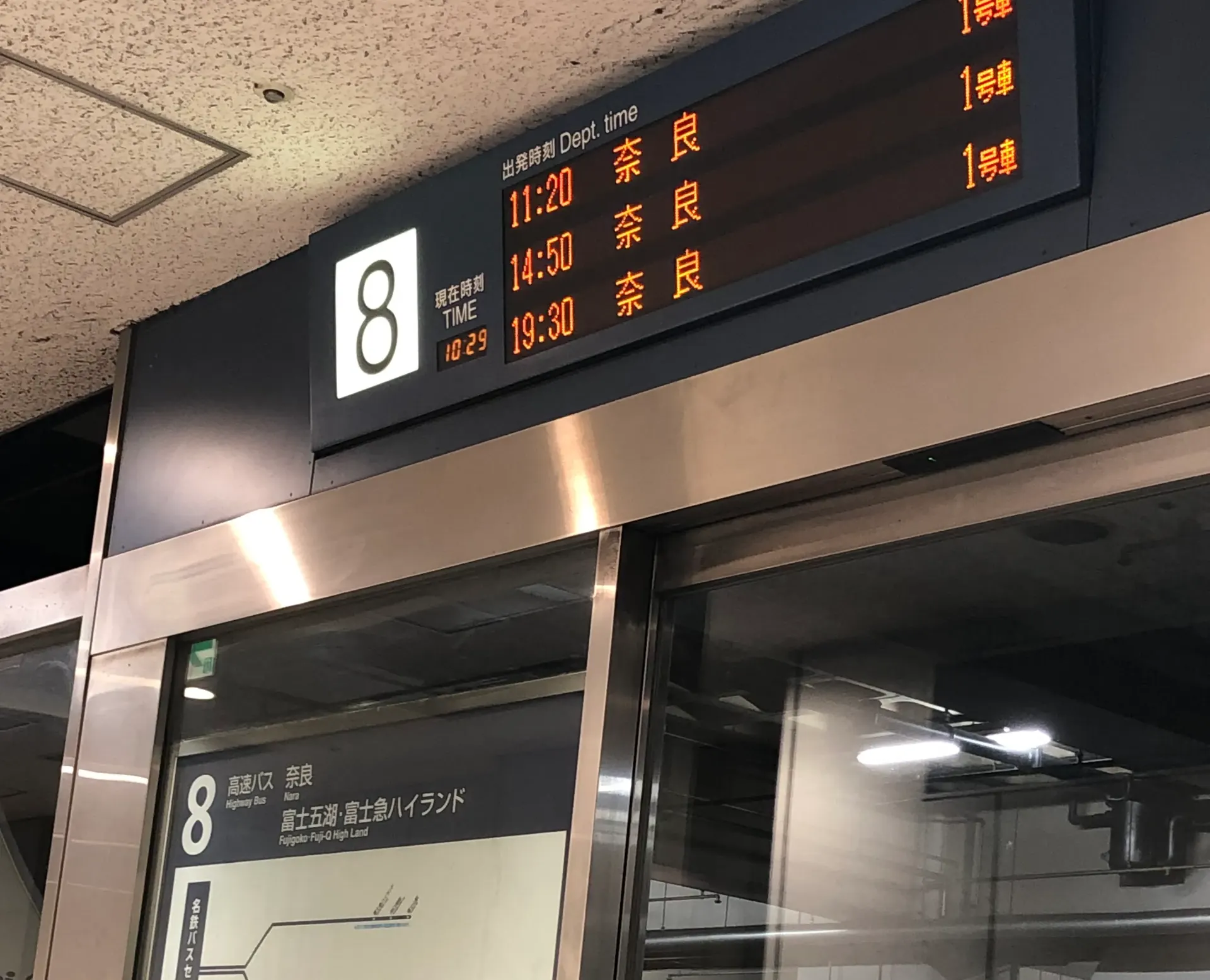
By visiting a wide range of regions and meeting directly with staff from international exchange and support organizations, we sought to feel the passion, struggles, and dedication of those on the ground.
Documents cannot fully express the unique challenge structures shaped by each community’s characteristics, nor the subtle “gaps” between administration and citizens. Understanding these nuances required face-to-face dialogue.
Equally important, this journey was about building trust for future collaboration.
True partnerships between NPOs and governments can only thrive on mutual respect and understanding.
Meeting in person, discussing ideas directly, and sharing our mission as professionals in the field—all of these steps helped lay the foundation for genuine cooperation.
The trust and empathy cultivated through these encounters are invaluable assets for future collaborative projects.
What We Learned: Two Perspectives — “Coexistence” and “Challenge” in Local Communities
Through in-depth interviews and regional visits, we gained a clear picture of how communities across Japan are navigating two interconnected themes:
social coexistence and the courage to take on new challenges.
1. Regional Diversity Defines the Nature of Local Issues
Each region’s challenges varied widely depending on its core industries and geographic context.
For example, in manufacturing-centered regions, employment stability and livelihood security emerged as major priorities.
Industrial zones with a high number of foreign residents faced urgent needs in language and cultural understanding, while agricultural or tourism-based areas were more focused on medical access, education, and multilingual disaster preparedness (especially concerning major earthquake scenarios such as the Nankai Trough).
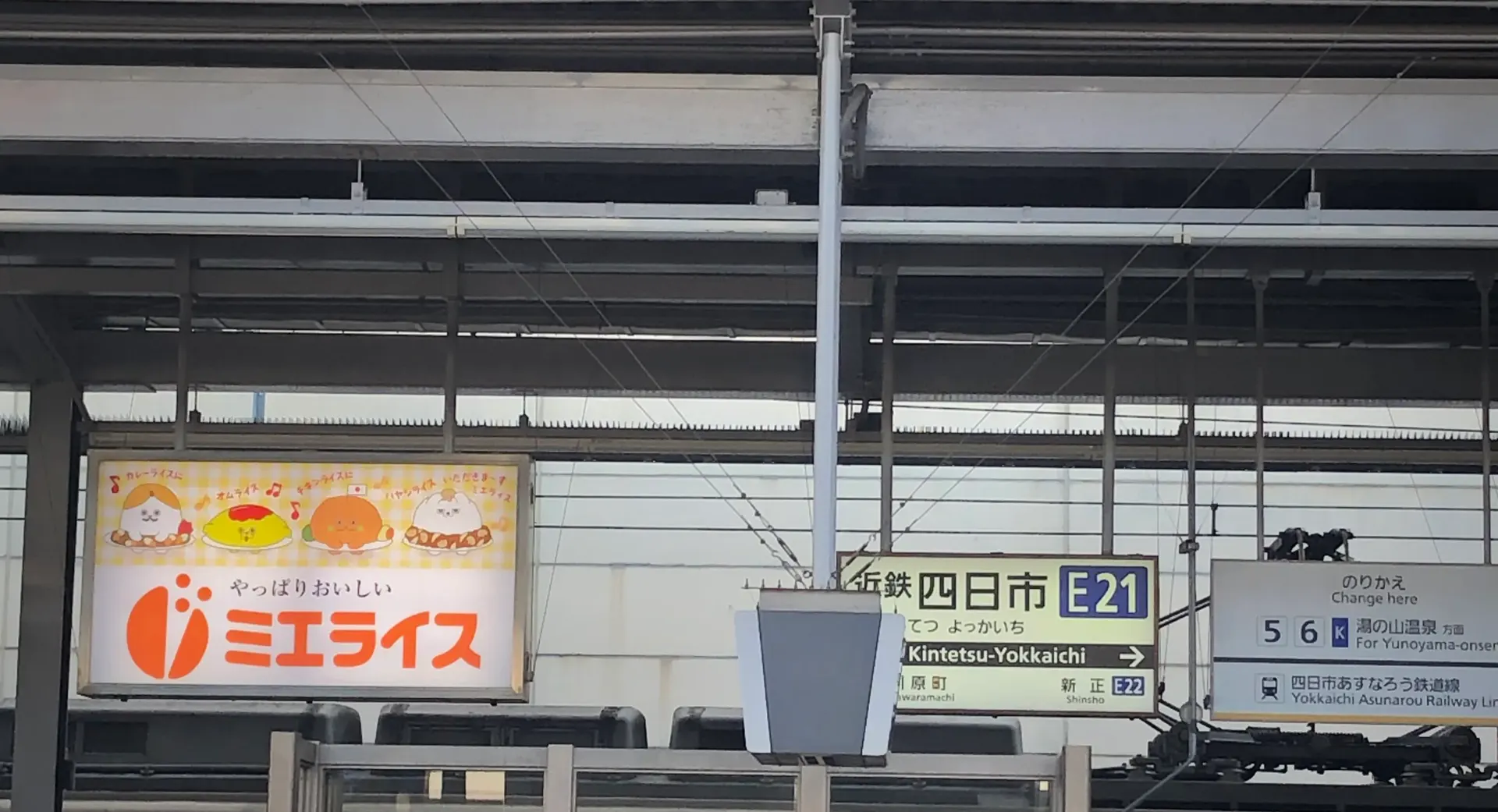
2. Gaps Between Municipalities and the Potential of NPOs
The degree of progress in multicultural community support varied significantly between municipalities.
Smaller local governments in particular relied heavily on volunteer-based NGOs and citizen groups to sustain international exchange and daily life support.
Despite regional differences, most municipalities shared three key focus areas:
- Japanese language education
- Legal and life consultation (with lawyers and administrative scriveners)
- Interpretation and translation services
However, when it comes to career support and employment assistance, there remains considerable room for NPO collaboration and innovation.
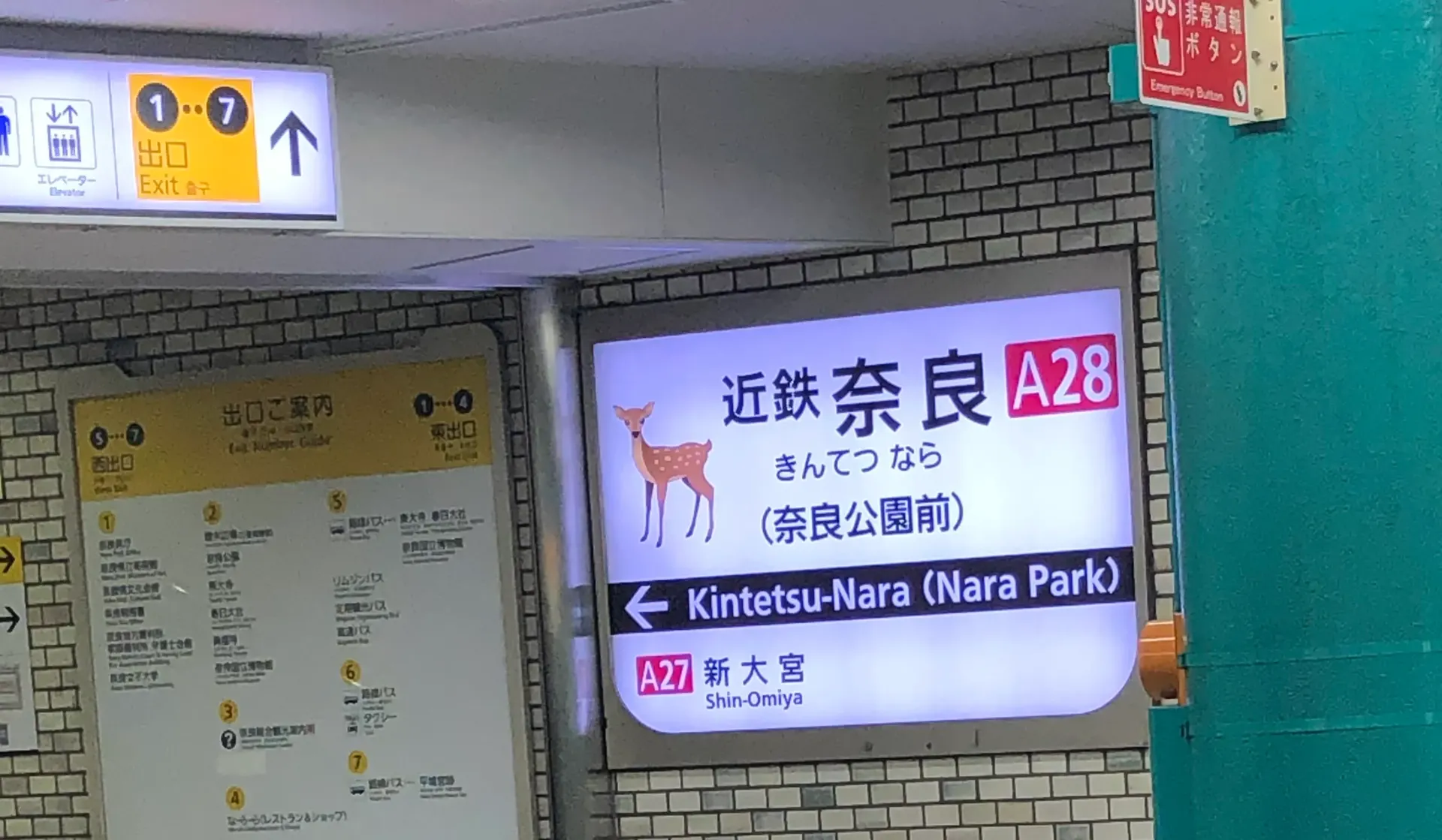
3. Local Companies’ Cautious Approach to Hiring Foreign Workers
We also examined local business attitudes toward employing foreign workers.
In many regions, the actual employment rate of foreign nationals remains low, reflecting cautiousness around internal training systems, communication barriers, and resource allocation.
There is still work to be done in helping companies see diversity not as a risk, but as a long-term asset.
Two Case Studies: How “Coexistence” and “Challenge” Take Shape
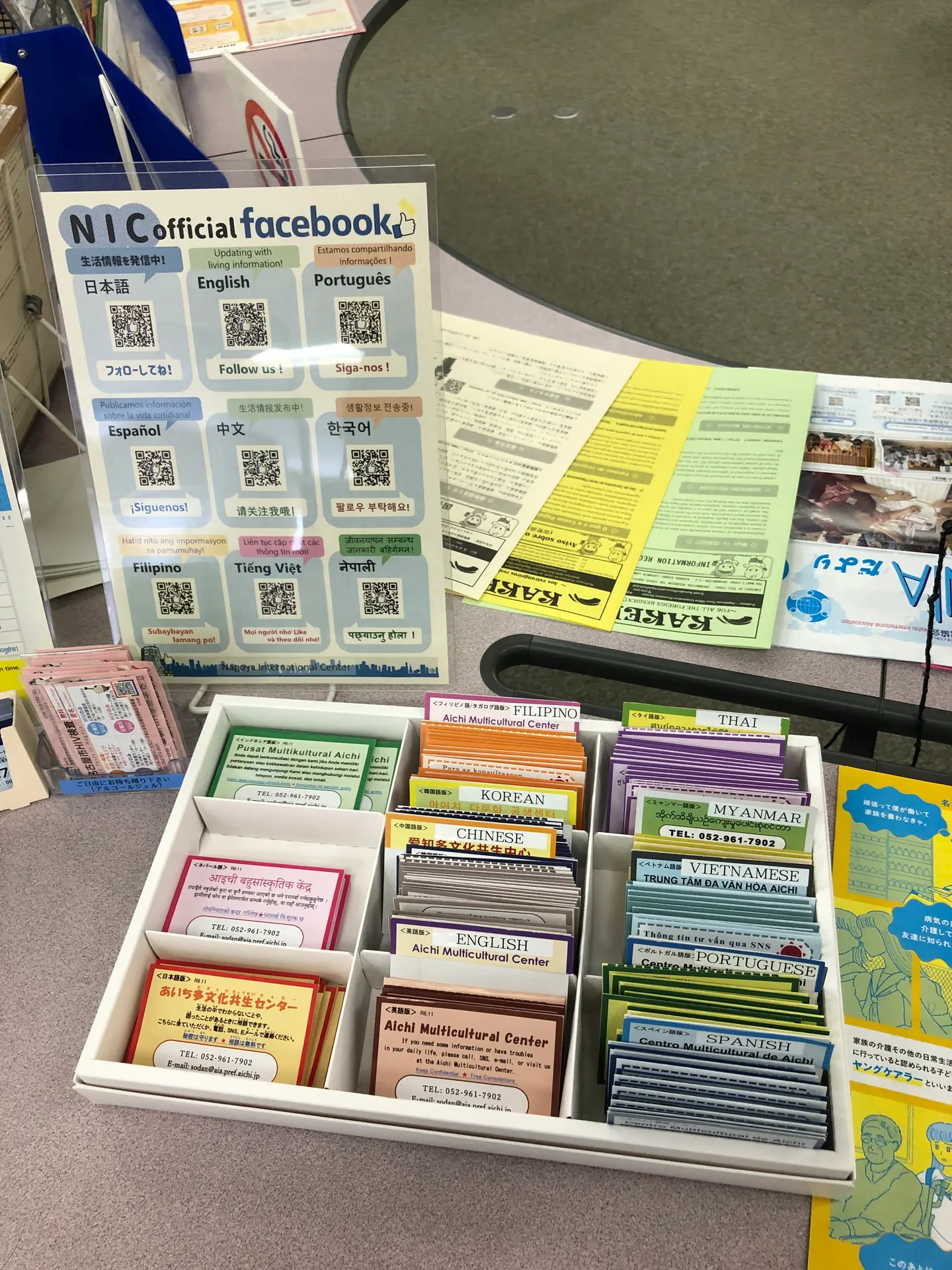
Case A: An Industrial City Aiming to Deepen Coexistence
In City A—a major manufacturing hub—many foreign students and dispatched workers live and work temporarily.
Local efforts are now focusing on helping these individuals transition from short-term or unstable employment to stable, long-term careers, creating a more inclusive labor environment.
Case B: A Culturally Rich City Rooted in International Tourism
City B, known for its historical scenery and vibrant cultural exchange, has long promoted sister-city partnerships and youth exchange programs.
In particular, initiatives encouraging high school students to study or train abroad have been sustained for several years, embodying a deep commitment to fostering the next generation of global citizens.
Our Deepest Thanks to All Who Shared Their Voices

We sincerely thank all local government officers, international exchange centers, and NPO support organizations who took the time to share their insights and experiences during this extensive regional research.
Your input has provided us with an invaluable foundation for developing practical, community-based support models.
The ability to feel, firsthand, the priorities and realities behind the data has been both humbling and inspiring.
At NPO Red Look, we are committed to turning these insights into tangible social outcomes—through improved program design, stronger collaboration with local governments, and the integration of our core expertise in IT, AI, coaching, and global experience.
Moving forward, we will continue to collaborate with local administrations and partners across Japan,
building a society where anyone can challenge themselves across borders and learn together beyond differences.— All members of NPO Red Look
Where to go next
Meet face to face in Shibuya and Sagamihara
Small-group language exchange and social events for Japanese and international people. Mostly free, and easy to join on your own.
Not sure which fits you? Take our free career assessment (about 8 minutes)
NPO Red Look
A nonprofit in Sagamihara, Kanagawa, Japan, creating a third place where Japanese and international people meet as equals and grow together through languages, friendships, and careers.
About Red Look