
Survival & Career in Japan: A Practical Guide for Foreigners Seeking Jobs in Japan
A practical guide for foreigners who want to find a job, adapt to daily life, understand workplace culture, and build a long-term career in Japan.
Starting a new life in Japan can feel exciting and overwhelming at the same time. Many people first focus on finding a job, but once they arrive, they quickly realize that building a stable life in Japan involves much more than employment. You may need to understand visa conditions, workplace expectations, housing rules, city office procedures, and ways of communicating that are common in Japanese society. That is why “survival” in Japan is not only about getting through difficulties. It is about learning how to live, work, and grow with confidence.
In this article, we will walk through the basic steps that can help foreigners build both a sustainable life and a meaningful career in Japan.
What foreigners should know before working in Japan
Before applying for jobs, it helps to understand one important point: working in Japan is closely connected to daily life and social systems. Your residence status affects what kind of work you can do. Your Japanese ability affects how smoothly you can communicate. Your understanding of social expectations affects how easily you can build trust.
In many Japanese workplaces, employers value not only technical ability but also reliability. Being on time, responding politely, reporting problems early, and communicating carefully are all seen as signs of professionalism. This may feel different from cultures where directness and speed are emphasized more strongly. In Japan, trust is often built through consistency, respect, and attention to small details.
You do not need to be perfect from day one. But understanding these expectations early can reduce stress and help you adapt more smoothly.
How to find a job in Japan: applications, interviews, and hiring
When searching for jobs in Japan, start by checking whether the position matches your background and visa pathway. Some roles may require certain educational credentials or work experience related to the field. Others may expect a certain level of Japanese, even if the company says it is open to international applicants.
What to prepare before applying
It is useful to organize a few things before sending applications. Think about what type of work you want to do, which area of Japan you want to live in, and how confident you are in Japanese or English at work. You should also prepare documents in a format employers in Japan can easily understand. In many cases, that means creating a Japanese-style resume and a clear summary of your experience.
What interviews in Japan often focus on
Interviews in Japan often evaluate more than skills alone. Employers may also look at whether you seem stable, cooperative, and ready to work in a team. They may pay attention to how clearly you answer questions, whether you understand basic business etiquette, and whether you appear genuinely interested in the role.
A helpful tip is to answer in a clear structure: give your main point first, then explain briefly. Long or overly detailed answers can sometimes make communication harder, especially in a second language.
Workplace rules and etiquette you need to know
Japanese workplace culture can feel subtle at first. Some things are not always said directly, and that can be confusing for people from more explicit communication cultures. For example, a phrase that sounds positive may sometimes actually mean “not now” or “this may be difficult.”
Common communication gaps
Words like “we will consider it” or “it may be a little difficult” can sometimes be indirect ways of declining. On the other hand, staying silent when you are confused can create bigger problems later. In many workplaces, asking for clarification early is better than pretending to understand.
Another important point is the habit of reporting, contacting, and consulting. In Japan, employees are often expected to share updates before problems become serious. This is not just about rules. It is about helping the team work smoothly together.
Daily-life survival: housing, banking, mobile phones, and local offices
Even if you get a job, daily life in Japan can still be challenging at the beginning. Renting an apartment may require initial fees, a guarantor, or extra paperwork. Opening a bank account and getting a mobile phone plan often require identification documents, proof of address, and sometimes patience with procedures.
You will also need to complete local government procedures such as resident registration, health insurance, and pension enrollment. For many newcomers, these systems feel complicated, especially because they are deeply tied to everyday life in Japan. But step by step, they become manageable.
It helps a lot to keep a checklist and ask for support early. You do not have to solve everything alone.
How to communicate smoothly and build relationships in Japan
Language matters, but communication in Japan is not only about vocabulary. It also includes tone, timing, and the way you build relationships over time. In some cases, people may seem distant at first. That does not always mean rejection. In Japan, trust often develops gradually.
Simple habits make a big difference: greeting people regularly, keeping promises, thanking others clearly, and showing respect for shared rules. These actions may seem small, but they are powerful in both workplaces and local communities.
Building relationships is especially important because life abroad can easily become isolating. Having even a few people you can ask for advice or practice conversation with can make daily life much more stable and encouraging.
How to grow your career after starting work in Japan
Getting your first job in Japan is an important step, but it is only the beginning. Long-term career growth usually comes from combining practical work experience with continuous learning. That can include improving your Japanese, strengthening your professional skills, learning how Japanese workplaces evaluate performance, and building a network beyond your company.
Community-based learning can be very useful here. Language exchange, peer learning groups, and multicultural communities create chances to practice real communication, understand different working styles, and discover new opportunities. Career growth in Japan is not only about doing your job well. It is also about becoming someone who can connect across cultures with confidence.
Support resources and learning methods for long-term success in Japan
You do not need to figure out everything alone. Across Japan, there are international associations, consultation desks for foreign residents, Japanese language classes, employment support services, and local community groups. These resources can help with both urgent problems and long-term adaptation.
The key is not waiting until everything becomes difficult. Reaching out early can make a huge difference.
Surviving in Japan does not mean enduring everything by yourself. It means building a life where you have information, support, and room to grow. When you have a place to ask questions, practice communication, and connect with others, Japan becomes not only a place to work, but also a place where you can build your future.
Building a career and life in Japan becomes much easier when you have both practical information and a community that understands your journey. At Red Look, we create spaces where foreigners and Japanese people can learn from one another through language exchange, shared experiences, and international career support. If you are looking for a place to practice, connect, and grow, Red Look would be glad to welcome you.
NPO法人 Red Look
日本人、外国人双方の国際キャリア形成を通じた
持続可能な地域共生を目指して
Recommended for you
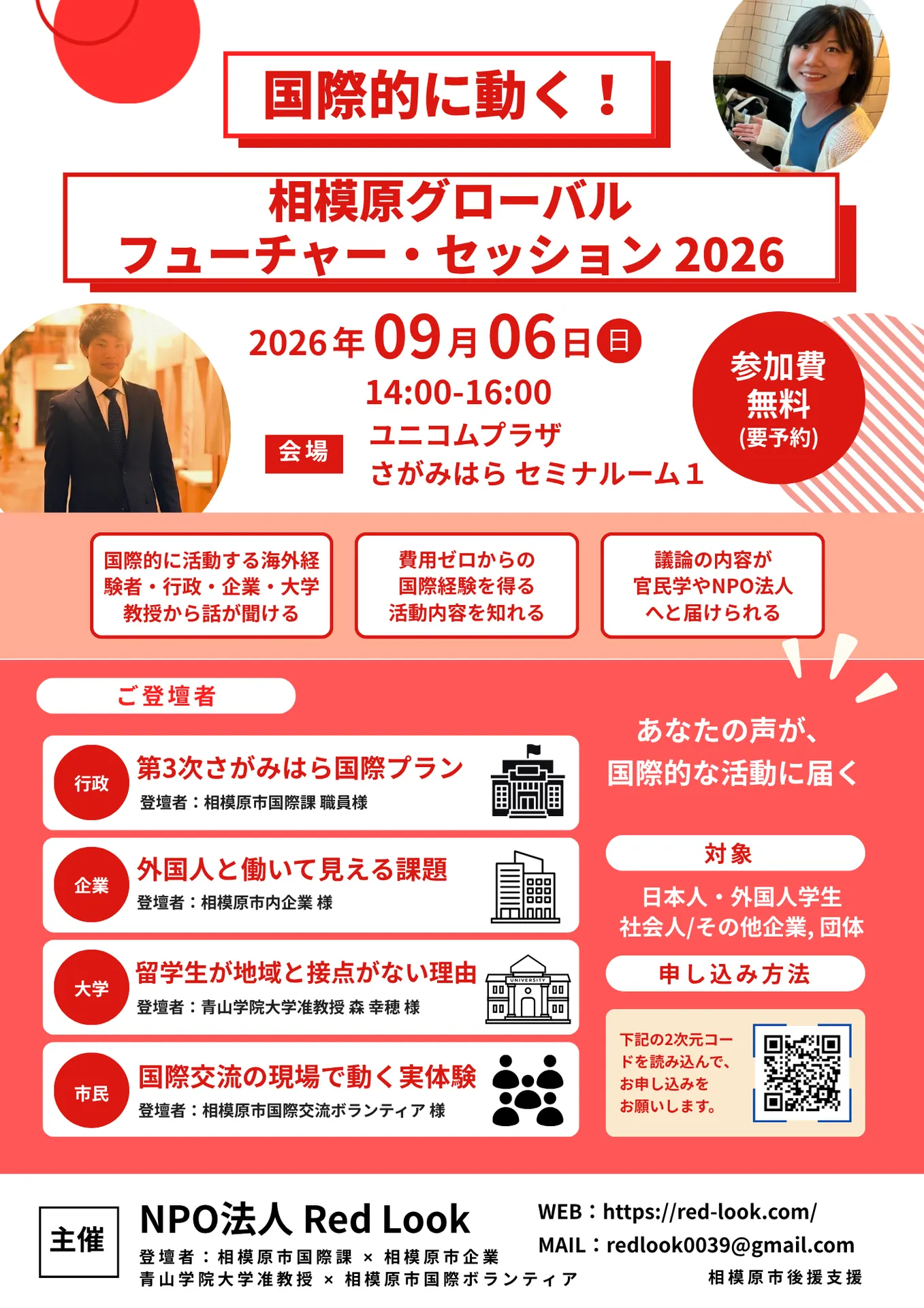
Sagamihara Global Future Session 2026: Connecting Multicultural Communities and Global Careers
2026-07-08
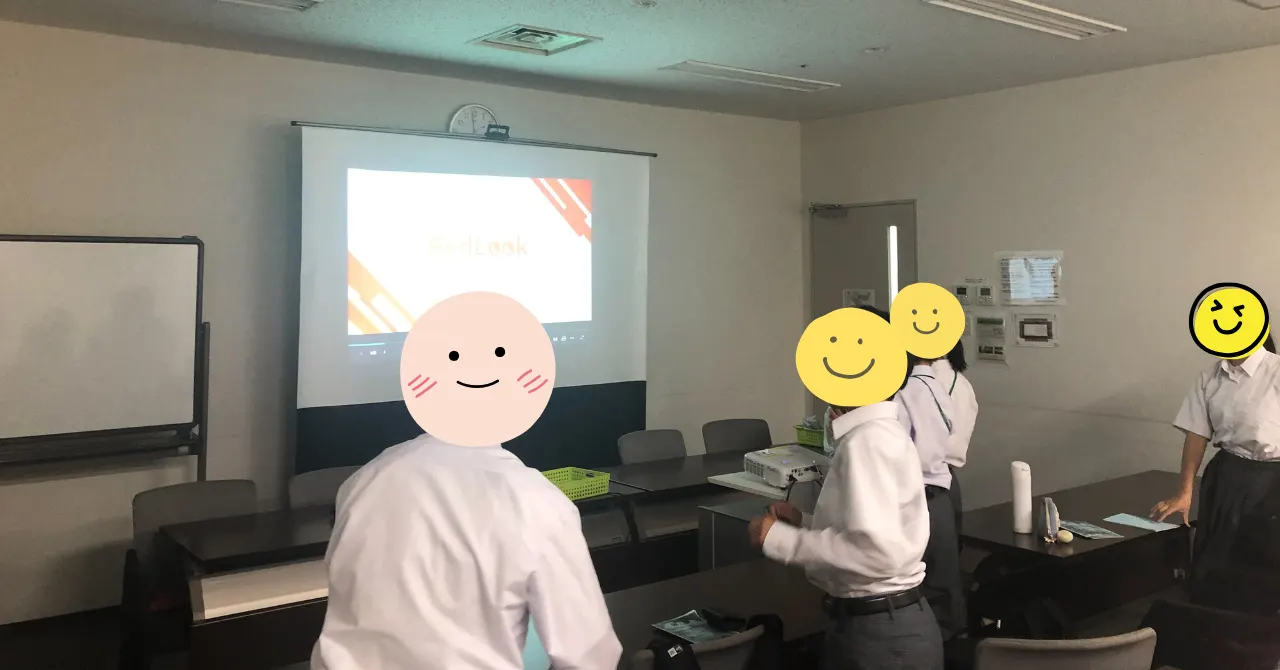
Connecting Junior High School Students with the World | Red Look Delivers an International Understanding Class in Sagamihara
2026-07-03
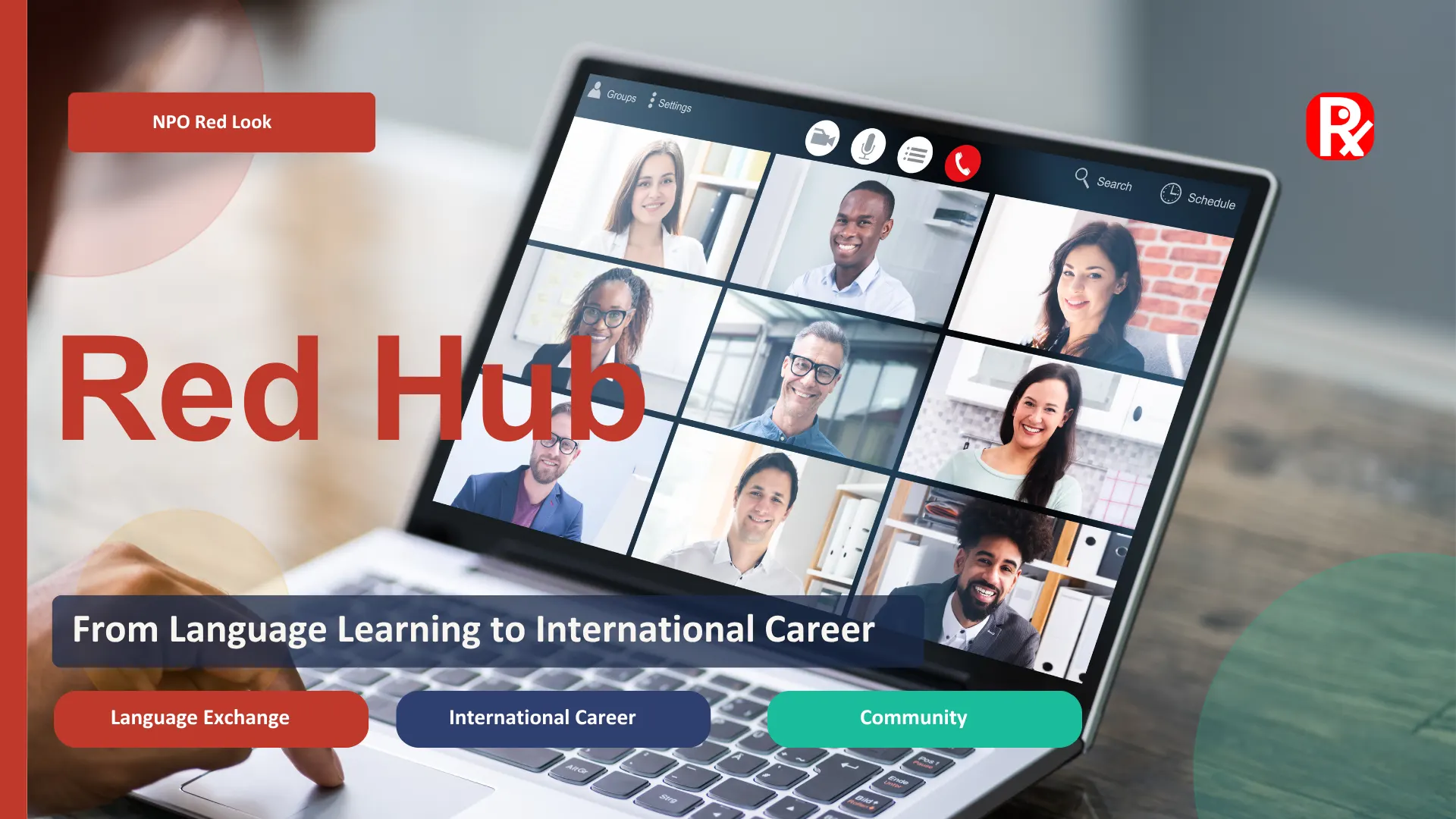
Studying Japanese but Can't Use It at Work? Red Hub Bridges Language Learning and Your Career in Japan
2026-04-17
Red Look's Next Chapter: Online Community, Government Partnerships, and a City-Endorsed Event in Sagamihara
2026-04-17
Why We Rebuilt Our Vision: From 'Local Job Support' to 'A World Where Everyone Can Connect Globally'
2026-04-16
Interested in working or studying abroad? We’re here to support you.
Red Look is a non-profit organization that helps Japanese individuals take on overseas challenges and supports foreign nationals finding careers in Japan. Our mentors and career coaches will guide you through your global journey. Reach out today!
Get Free Consultation